close up on Solid Tires for Forkli

Solid Tires for Industrial and Forklift Applications

Reliable uptime starts from the ground up, and solid forklift tires give your fleet the foundation it needs to move safely and efficiently. Operations that struggle with flats, debris, and heat build-up often see productivity losses that add up quickly, which is why solid tires have become the preferred choice across warehouses, manufacturing plants, distribution centers, and heavy industrial yards. Beasley Tire supplies, installs, and services solid tires purpose-built for your floors, your loads, and your shift patterns.

Fill out our form today or give us a call.

Performance and Safety Benefits

Keep your fleet moving with solid tires designed for greater stability, reduced downtime, improved safety, and long-lasting performance in demanding environments.

Solid tires remove the risk of punctures that sideline equipment, which directly translates into fewer interruptions and more predictable scheduling. Operators gain confidence when tires maintain their shape under heavy loads, and managers gain peace of mind when the fleet keeps moving through busy shifts. Many facilities that switch to solid tires report smoother day-to-day operations because unscheduled downtime drops, while planned maintenance becomes easier to forecast.

Durability is only part of the story, since stability and handling matter just as much. Solid tires resist sidewall deflection that can make a loaded forklift feel unsettled, which helps operators place pallets with precision in tight aisles and on elevated racks. Controlled deformation also reduces mast sway and improves attachment performance, creating a safer, more comfortable platform for the tasks that matter most.

Heat management deserves attention, because heat is the main enemy of tire life in high-duty cycles. Premium solid compounds disperse heat more effectively than older formulas, which reduces chunking and separation in demanding applications. Better heat control also protects driveline components by keeping rolling resistance in check, ultimately lowering energy use for electric equipment and fuel use for internal combustion units.

Industrial & Forklifts

Where Solid Tires Make the Biggest Difference

  • Facilities with metal shavings, nails, or scrap that regularly puncture pneumatic tires

  • Paper mills, recycling yards, and foundries that generate heat and abrasive dust

  • Food and beverage warehouses where nonstop shifts push tires to their limits

  • Cold storage operations that need predictable traction on smooth, sealed floors

  • Ports, intermodal yards, and cross-docks with mixed surfaces and tight turn cycles

  • Manufacturing plants with narrow-aisle racking and high lift heights

  • Distribution centers seeking consistent ride quality across long duty hours

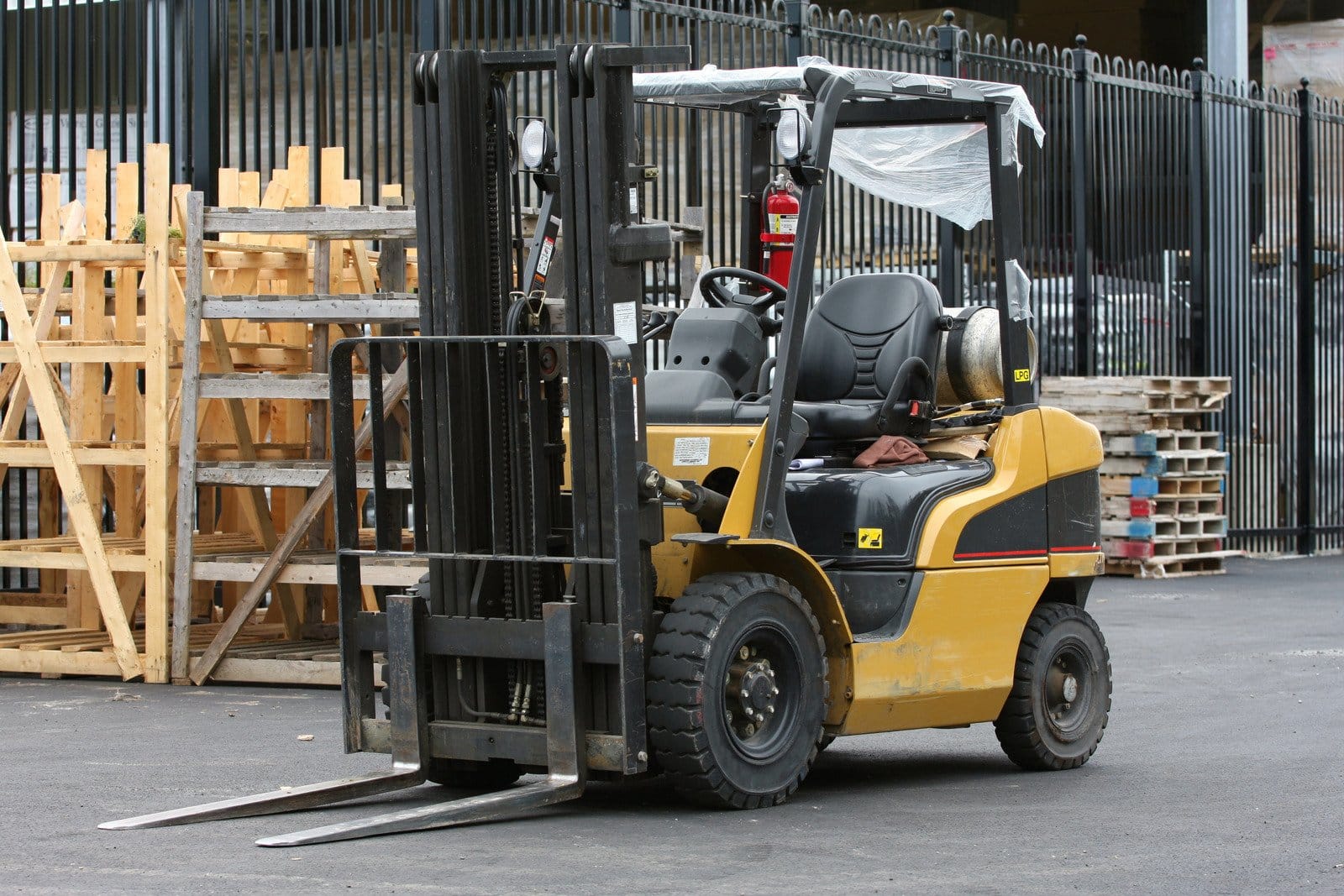
yllow forklift parked in a warehouse in Texas

Types of Solid Tires We Supply

Press-On Band Solids

Ideal for Class I and II electric forklifts, these tires bond to a steel band for precise fit on press-on hubs, delivering low-profile stability and excellent maneuverability on smooth floors.

Resilient Solids (Two- or Three-Stage)

Multi-layer constructions with elastic centers provide a more forgiving ride than traditional solids while preserving puncture resistance, heat control, and load capacity.

Non-Marking Solid Compounds

Specialty formulas prevent scuffing and floor stains in clean environments while maintaining the traction and wear you expect from premium solids.

Traction Tread Solids

Deeper lugs and aggressive patterns help on ramps, docks, and lightly textured outdoor surfaces where additional bite and water channeling improve safety.

Smooth Tread Solids

Maximum contact area and even wear for polished, sealed, or epoxy floors where low rolling resistance and quiet operation take priority.

How To Choose the Right Solid Tire

1. Define your load profile, including average pallet weight, peak loads, and lift heights, so the tire construction and ply rating match your real demands.

2. Map your surfaces, from polished concrete to asphalt and dock plates, to determine the tread pattern and compound that balance traction with wear.

3. Quantify duty cycles by shift length, travel distance, and turns per hour, since heat generation and rolling resistance scale with motion and time.

4. Align tire choice with power source, whether electric or internal combustion, because energy draw affects battery cycles, fuel use, and maintenance intervals.

5. Consider non-marking needs for clean environments, evaluating modern formulas that deliver performance without staining floors.

6. Plan installation windows and rotation practices to minimize downtime, and confirm pressing requirements fit your schedule and hub specifications.

Press-On Versus Resilient Solid Tires

Press-on solids excel in controlled, indoor environments where maneuverability, low profile height, and precise handling matter. The steel band interface provides an exact fit on press-on hubs, which helps maintain geometry in narrow aisles and reduces mast sway during fine placement. Many electric fleets prefer press-on solids for their consistent footprint and predictable wear on smooth floors.

Resilient solids, typically built with two or three layers that include an elastic core, introduce ride comfort without giving up the puncture resistance that draws teams to solids in the first place. This design absorbs vibration, which can reduce operator fatigue and help protect sensitive loads, while also handling light outdoor use and ramp work more gracefully than smooth press-ons. Selecting between the two often comes down to floor texture, mixed-surface exposure, and the balance you seek between precision and comfort.

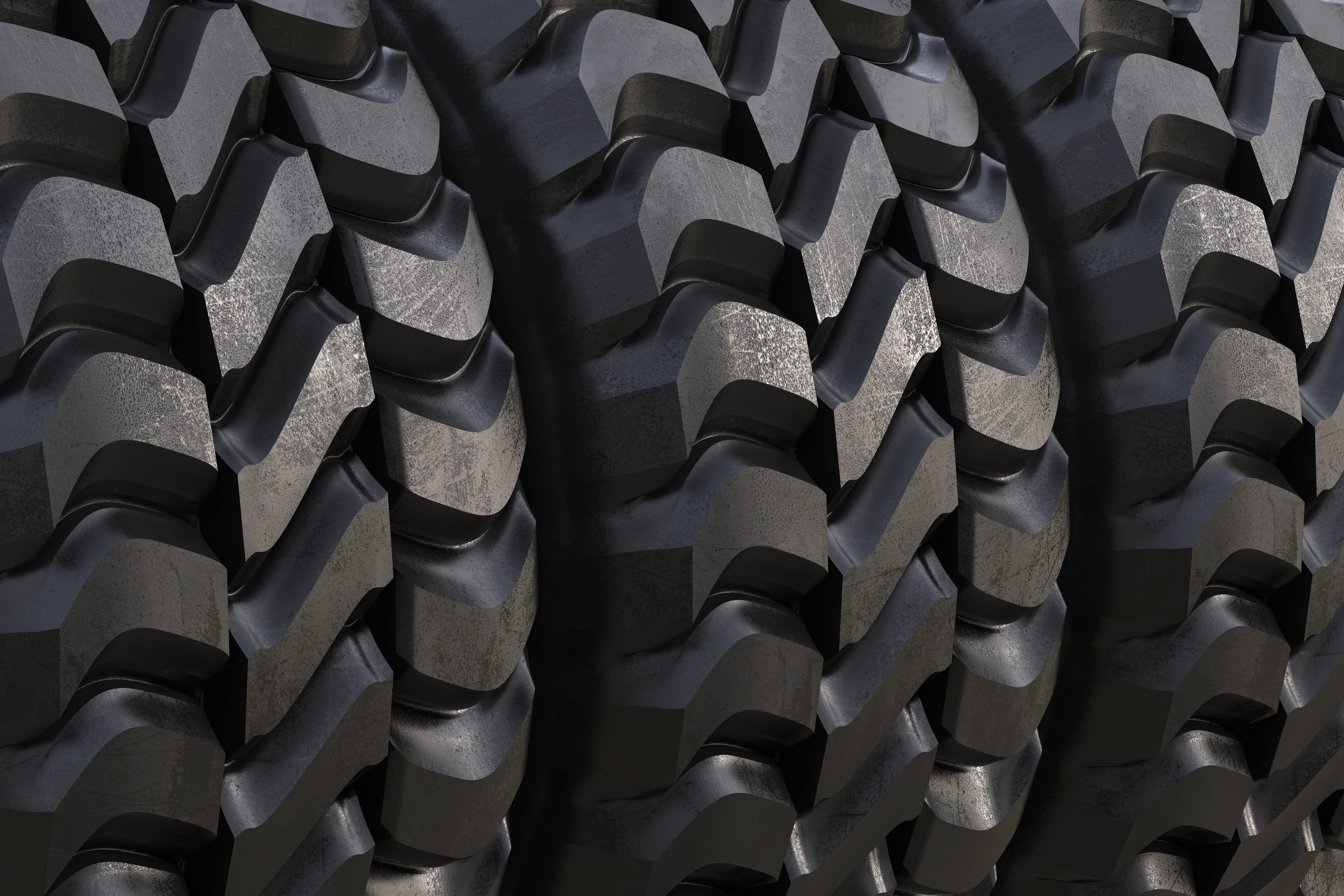
close up on solid tire tread

Tread Patterns and Compounds That Match Your Work

Tread is more than a visual cue, because pattern depth and void design influence traction, heat dissipation, and wear characteristics. Smooth treads maximize contact area for polished floors, while traction patterns channel away liquids and provide extra bite on ramps and dock approaches. The right pattern stabilizes steering input and limits scrubbing in tight turns, which preserves both tire life and floor coatings.

Compounds vary in hardness and heat tolerance, which is why two tires that look similar can behave very differently under stress. Premium compounds manage heat at the molecular level, resisting chunking when debris or tight turns generate friction, and maintaining elasticity over long shifts. Non-marking formulas deliver clean performance without sacrificing longevity, which keeps housekeeping teams happy and your floors looking professional.

Installation, Pressing, and On-Site Service

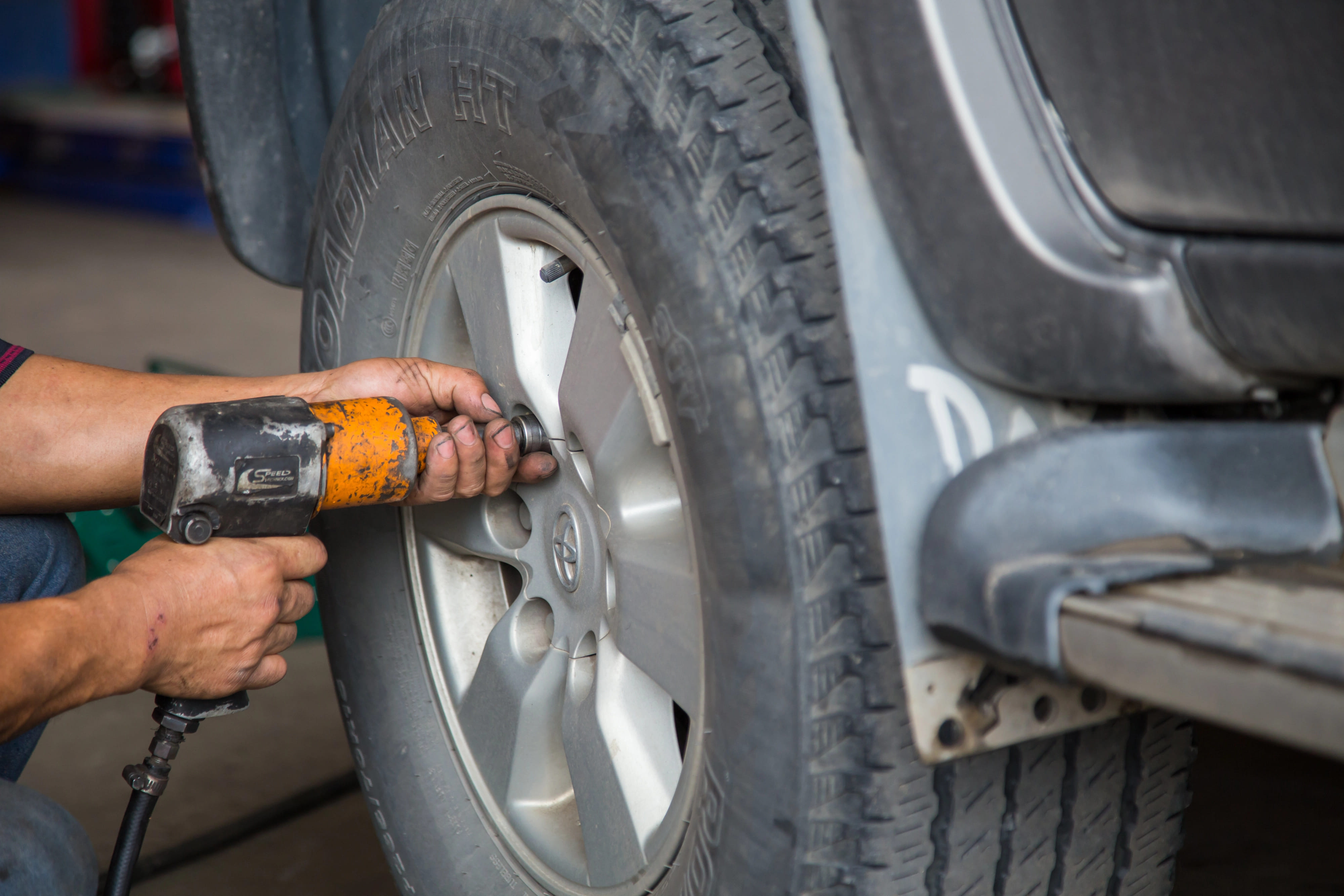
Professional installation protects your investment, since proper pressing ensures the band seats correctly and the assembly runs true at speed. Our service teams use calibrated presses and follow precise procedures for mounting, which eliminates the wobble and misalignment that shorten tire life and strain driveline components. Attention to detail during mounting also helps prevent future slippage, which is critical for safety and uptime.

On-site service minimizes disruption by bringing the press and inventory to your facility, which means your equipment returns to work quickly. Coordinated scheduling, staged tire sets, and verified hub specifications ensure each unit receives the correct size and construction. Post-installation checks confirm runout, torque, and load-bearing condition, giving your operators a confident, stable platform from the first minute of the shift.

mechanic installing press on tire to industrial vehicle in Central Texas
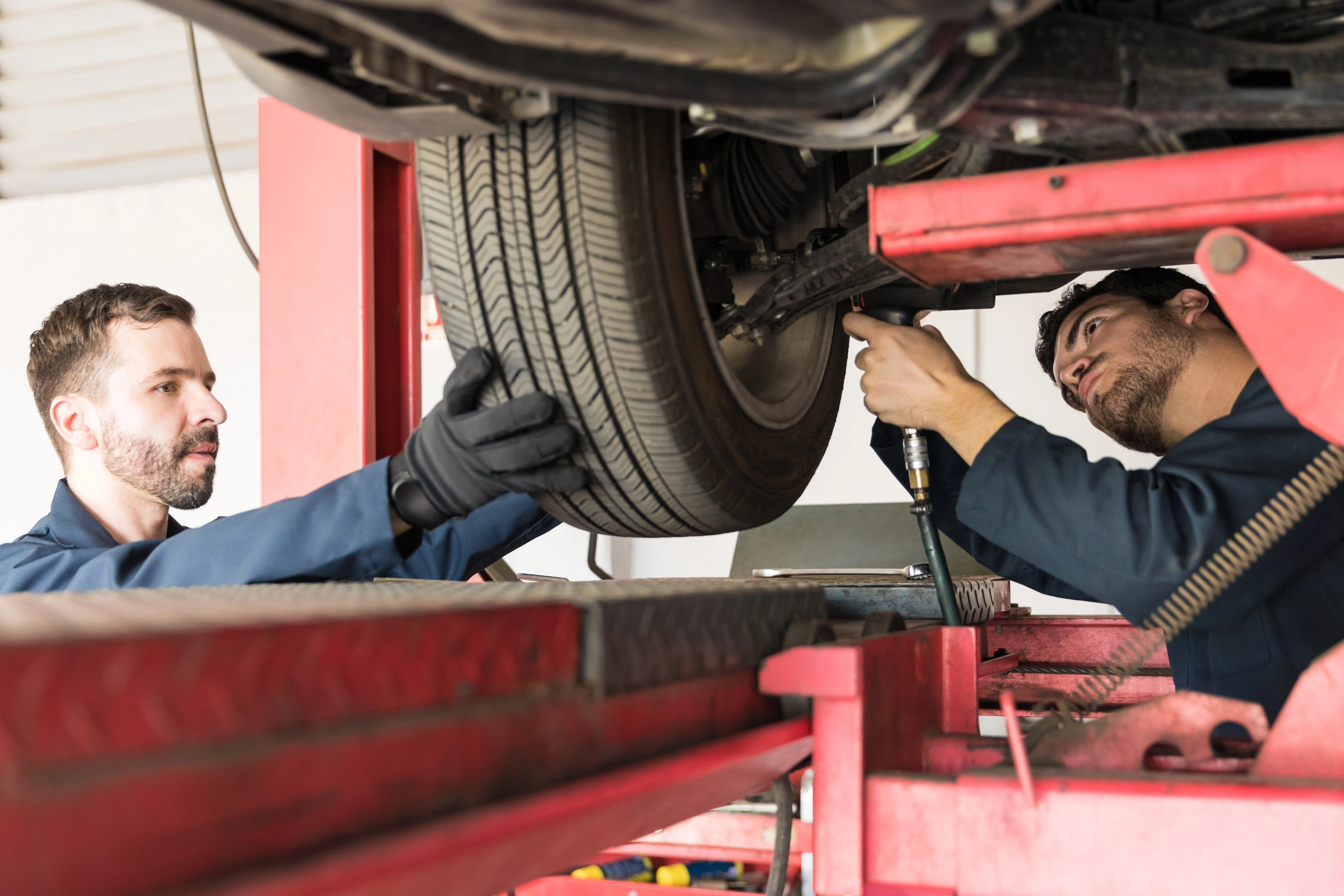
Two mechanics installing a tire underneath a vehicle

Maintenance Tips To Maximize Tire Life

Solid tires reward consistent care, since small habits extend service life and keep handling predictable. Proper inflation is not relevant with solids, yet alignment, load discipline, and operator technique still matter greatly. Smooth acceleration, controlled braking, and gentle turns reduce heat and abrasion, which keeps edges crisp and tread blocks intact.

Housekeeping practices pay dividends because debris generates heat and cuts into compounds over time. Clean floors, swept docks, and cleared travel paths help your tires last longer and protect your facility from stray fasteners or scrap. Scheduled inspections identify early signs of chunking or irregular wear, which allows for timely rotation or replacement before issues escalate.

ROI and Total Cost of Ownership

Upfront price tells only part of the story, since solids offset their investment through fewer emergency service calls and longer service intervals. Eliminating flats prevents surprise downtime and reduces the spare inventory you need to keep on hand, which simplifies planning. Predictable wear patterns help you budget replacements by quarter, improving cash flow forecasting and maintenance staffing.

Energy efficiency matters for the bottom line, and rolling resistance influences both battery cycles and fuel usage. Matching compound and tread to your surfaces lowers energy draw over time, which compounds savings across every shift. The result is a tire program that supports safety and productivity while contributing measurable financial value.

Why Beasley Tire Is the Right Partner

Tires are only as effective as the plan behind them, which is why Beasley Tire treats every recommendation like a custom project. Our specialists learn your routes, assess your docks and floor conditions, and account for lift heights, attachments, and aisle geometry. That information guides a short list of options that fit your needs now while setting you up for scalable growth across your fleet.

Service is the differentiator because consistent, high-quality support keeps your trucks rolling when the schedule gets tight. Our teams arrive prepared, press on-site, and verify every detail so you do not have to worry about surprises. Clear communication, dependable timelines, and post-service follow-up complete a cycle that protects your uptime and your budget.

Mechanic posing with truck in Texas

Choose Beasley Tire

The Top-Rated Solid Industrial Tires in the Game

Your operation deserves tires that match your pace, your floors, and your goals, which is exactly why solid forklift tires from Beasley Tire deliver results you can feel in every shift. Our team will evaluate your environment, recommend the right construction and compound, and install them professionally to get you back to work quickly. Choose Beasley Tire for the best solid forklift tires around, and let us help you turn dependable traction into dependable productivity.